

What Certified Valuers Look For During a Pre Sale Property Valuation Inspection
You’ve had two agents through, and their appraisals are $80,000 apart. One says the place will comfortably clear $1.4 million. The other is more cautious. Who do you believe?
That’s often the moment owners start looking at an independent valuation. A valuer isn’t trying to win your listing. They’re paid to give an unbiased opinion of what your property is worth, using a market-based property assessment that considers the property itself alongside real sales evidence. Knowing what they look at helps you prepare, avoid surprises, and read the report properly once it lands.
Summary
A pre sale property valuation is an independent, written opinion of market value, prepared before you list. A certified valuer inspects the land, the building, the improvements, the approvals and the title, then compares the property with recent, similar sales in your area. Condition, layout, land size, zoning, council approvals, easements, flood or bushfire overlays and (for apartments) strata factors can all move the figure. An agent’s appraisal is a sales opinion; a valuation is a formal report with evidence behind it. To get the most from one, gather your paperwork, disclose renovations and known defects, and make sure every part of the property is accessible on inspection day.
What Is a Pre Sale Property Valuation?
A pre sale property valuation is a valuation you commission as the owner before pricing your property for sale, helping you understand what the market is likely to pay. The valuer is engaged by you, works for you, and produces a report you can use to set a realistic price, check agent advice, or support decisions with your accountant or solicitor.
It’s worth separating three things people often lump together:
- Agent appraisal: A free, informal price estimate from a real estate agent. It’s a sales opinion, and it’s often shaped by the fact the agent wants the listing.
- Bank valuation: Ordered by a lender to assess security for a loan. It’s for the bank, not you, and you usually can’t rely on it or hand it around.
- Independent valuation: A formal report by a valuer, prepared for you, that sets out the basis of the opinion and the evidence used.
Most valuations in Australia are prepared on a market value basis. In plain English, that’s the price a willing buyer and a willing seller would agree on, both acting sensibly and with full knowledge of the property, on the date of valuation.
What Certified Valuers Look For on Inspection Day
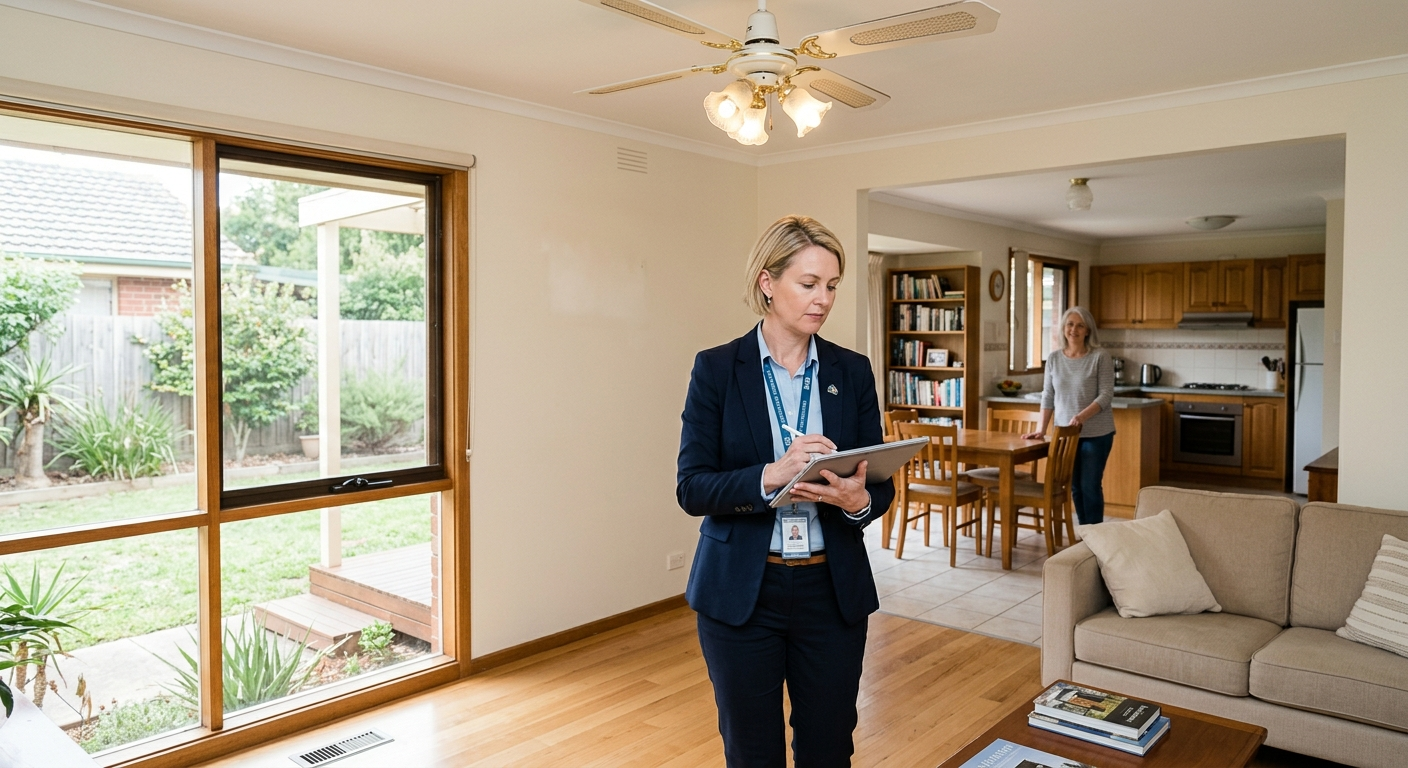
Every valuer has their own routine, but the same themes come up. Here’s what they’re weighing up while they walk through.
The land
Land often drives value, especially in established suburbs where buyers are paying for location as much as the house. The valuer looks at:
- Land size, shape and frontage
- Slope, drainage and usable area (a 700 sqm block with half of it on a steep fall isn’t the same as a flat 700 sqm)
- Aspect, outlook and street appeal
- Street type, traffic noise and neighbouring properties
- Development potential, such as subdivision or dual occupancy prospects, where zoning allows
Zoning and planning controls
The valuer checks what the land can legally be used for. Zoning, height and density controls, heritage listings and overlays for flood, bushfire or acid sulfate soils can all affect what a buyer will pay. These rules are set by state and local government, so they vary between councils and states. A heritage overlay in inner Sydney or Melbourne can limit what a buyer can change, and a flood overlay can affect insurance and lending.
The building itself
Inside and out, they’re assessing:
- Age, construction type and general condition
- Layout and functionality: number of bedrooms and bathrooms, how the living areas flow, and whether the floor plan suits the local buyer pool
- Kitchens, bathrooms and finishes, and whether renovations were done well
- Visible defects such as cracking, damp, roof problems, rotting timber or poor drainage
- Extras like solar, air conditioning, a pool, decking, sheds or a granny flat
A valuer isn’t a building inspector. They’ll note what’s visible and relevant to value, but they won’t crawl through the roof cavity or test structural soundness. If something looks concerning, they’ll usually recommend a specialist report and may qualify their opinion accordingly.
Approvals and compliance
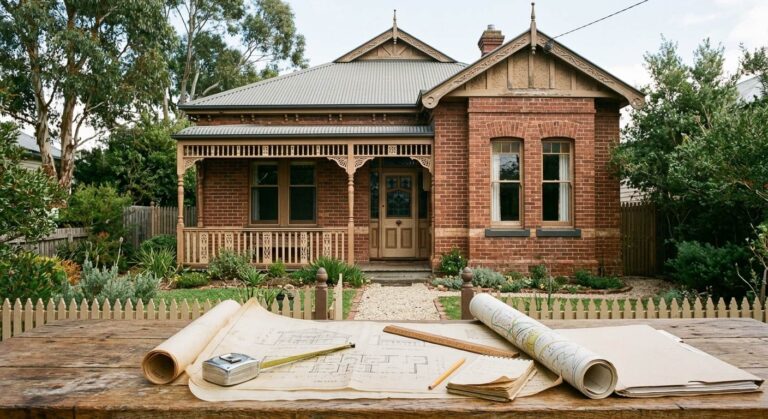
This one catches people out. Valuers will often ask whether extensions, decks, pergolas, garages and conversions have council approval. If something was built without approval, it can affect value, and buyers’ solicitors will pick it up in contract review anyway. Having plans, approvals and final certificates on hand saves time, and it may save you money.
Title, easements and other encumbrances
The valuer reviews the title details for easements, covenants, right-of-ways and other restrictions. A drainage easement running through the backyard, for example, can limit where you can build. Easements aren’t automatically a problem, but they can change how usable the land is, and that’s what the valuer is measuring.
The sales evidence
The inspection is only half the job. Back at the desk, the valuer compares your property with recent sales of similar properties nearby, making adjustments for differences in land size, condition, position, features and sale date. This is called the direct comparison approach, and it’s the main method for most homes. Good valuers are picking comparable sales carefully, not just grabbing the highest recent result in the street.
Pre Sale Property Valuation for Apartments and Townhouses
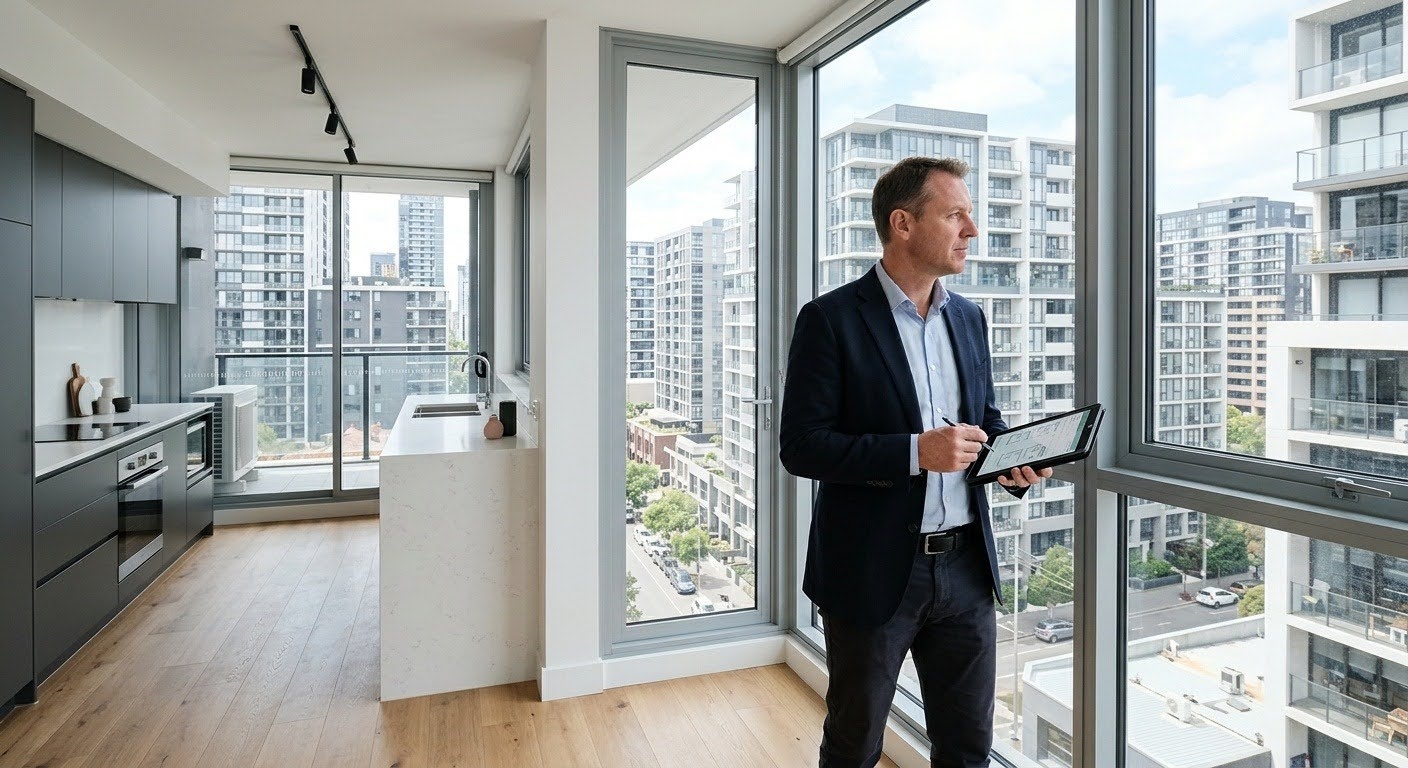
Strata properties get looked at a little differently. As well as the unit itself, a valuer will consider the building and the scheme, including:
- The condition of common property, like roofing, lifts, facade and car park
- Levies, the capital works fund (called a sinking fund in some states) and any planned special levies
- Known defects or major works under discussion
- Whether the unit has exclusive-use areas such as a courtyard, balcony or car space
- Body corporate or Owners Corporation rules that affect use, like pet or short-term rental restrictions
Two apartments in the same building can be valued quite differently if one has a good aspect and a car space and the other doesn’t.
Market Value vs Insurance Replacement Value
Here’s a distinction plenty of sellers and buyers miss. Market value and building replacement cost are different figures answering different questions.
- Market value is what the whole property (land and buildings) would sell for. It’s influenced by location, demand and interest rates.
- Insurance replacement value focuses on the cost to rebuild the building and associated rebuilding costs rather than the property’s sale price; land value is not part of the rebuild cost.
A house might have a market value of $1.6 million because of where it sits, while the cost to rebuild it is $650,000. If you’re selling, it’s worth checking your current sum insured is still adequate until settlement, because the risk stays with you until then. Buyers and their lenders will also want insurance in place quickly after exchange or settlement, depending on the contract terms and state.
How to Prepare for a Pre Sale Property Valuation
A little prep makes the inspection smoother and the result more accurate.
- Gather your documents. Title details, council approvals, building plans, strata reports, and any compliance certificates.
- List improvements. Renovations, extensions, new roofing, solar, and the approximate dates they were done.
- Be upfront about defects. If there’s a leak or a known issue, mention it. It’ll come out eventually, and it’s better in the report than in a contract negotiation.
- Give full access. Unlock sheds, garages, the roof space if safe, and any outbuildings.
- Tidy, don’t stage. A clean, uncluttered property lets the valuer see the layout. You don’t need to style it like an open home.
Common Misconceptions About Pre Sale Valuations
“A valuation is a guaranteed sale price.”
It isn’t. A valuation is an opinion of value at a point in time. The actual result depends on buyers, your campaign and market conditions on the day.
“Renovations always add what they cost.”
Not necessarily. Over-capitalising, such as a top-end kitchen in a modest street, may not be fully reflected in the value.
“A bank valuation and an independent valuation are the same thing.”
They can differ, because they’re prepared for different clients and purposes.
Frequently Asked Questions
How much does a pre sale property valuation cost in Australia?
It depends on the property type, complexity and location. A standard residential valuation generally costs less than a complex commercial, rural or specialised one. It’s best to ask for a quote based on your property.
How long does a pre sale valuation take?
The inspection itself is often under an hour for a typical home. The report usually follows within a few business days, though complex properties can take longer.
Do I need to be home for the inspection?
Not always, but it helps. You can point out renovations, approvals and features the valuer might otherwise miss.
Can I use the valuation to negotiate with agents?
Yes, many owners use it to sense-check appraisals and set a realistic reserve or price guide. Just remember it reflects value on the day it was prepared.
Is a certified valuer the same as a registered valuer?
Not exactly. “Certified” usually refers to professional certification, such as through the Australian Property Institute, while registration requirements are set by individual states and territories and differ between them. It’s reasonable to ask a valuer about their qualifications, membership and professional indemnity insurance.
Does the valuation cover building insurance?
No. A market valuation isn’t a replacement cost assessment. If you need a rebuild figure for insurance, that’s a separate insurance valuation.
Conclusion
A pre sale property valuation gives you evidence rather than opinion. Certified valuers weigh up land, condition, approvals, title restrictions and comparable sales, then explain how they reached their figure. Prepare your paperwork, be upfront about defects, and remember a valuation isn’t a guaranteed price. Also keep market value and insurance replacement value separate, especially before settlement.
Need Help With Your Valuation?
If you’d like a professional opinion on your property, or need a building replacement or reinstatement figure to make sure your insurance is right while you sell, Australian Insurance Valuations can help. Call +61 438 080 786 for a straightforward chat about what you need.